Serving Texas Counties: Waller, Montgomery Grimes, Harris, Fort Bend, Austin
How to Find the Best Sewer Repair Near Hockley, TX | Holiday Season Guide
Sewer Repair Near Hockley, TX: Signs You Need Help Now (Backups, Odors, Slow Drains)
Let’s start with the real-life stuff. You’re getting ready for holiday guests, running the dishwasher and washer more than usual, and suddenly the tub starts gurgling. Maybe you smell a sour, sewer-like odor near a floor drain. Toilets need two flushes. Sinks drain like molasses. These are not “wait it out” problems—especially in December when plumbing systems are under extra stress.
Common red flags:
Multiple slow drains at once (kitchen + bath).
Gurgling when another fixture runs.
Sewer smells indoors or near cleanouts.
Water or waste backing up in a low tub or floor drain.
Soggy patches in the yard, even without rain.
If two or more of these are happening, you likely need a camera inspection and a plan. The sooner you get eyes on the line, the easier and cheaper the fix usually is.
How to Choose a Sewer Repair Company in Hockley: A Simple Step-by-Step Checklist
Start Local. Look for teams who work in Waller County week in, week out. Local crews know the soil, the roots, and the permit desk.
Ask for a Camera Inspection. No guesswork. A clear video and a simple explanation beat a vague “it’s probably roots.”
Get a Written Scope. You want: the problem, the method, the price range, and the timeline—on paper.
Check Licensing and Insurance. Ask to see it. A real pro welcomes the question.
Compare Methods. Trenchless vs. traditional. What fits your yard, budget, and timeline?
Confirm Warranty. What’s covered, how long, and what voids it?
Read Reviews with a Filter. Look for detailed stories: “They showed me the video,” “They cleaned up,” “They explained my options.”
Ask About December Scheduling. Be honest about your deadline. Good companies will tell you what’s realistic.
Clarify Payment Options. Do they offer financing or phased work to keep costs manageable?
Watch for Pressure. If you feel pushed into a “today only” decision, step back.

Hockley Winter & Holiday Plumbing: Why December Puts Extra Pressure on Your Sewer Line
December is a heavy-use month. You cook more. Showers and laundry multiply with guests. Kids are home. That means more fat, food debris, paper, and hot/cold water swings—all of which test aging pipes. Also, Texas clay soil moves with moisture and temperature changes. Even when we don’t see hard freezes, the swings are enough to stress joints and older lines. If a pipe is already cracked, that movement can invite more roots and more blockage. The holiday rush doesn’t create problems—it exposes them.
Trenchless vs. Traditional Sewer Repair Near Waller County: What’s Faster, Cleaner, and Cheaper?
Traditional (Open Trench) Repair
Best for: Short, targeted fixes; collapsed spots you can reach easily.
Pros: Direct access to the pipe; spot-repair is possible.
Cons: Digging. More yard disruption. Longer restoration.
Timeline: 1–3 days for many jobs, longer if complex.
Trenchless (Pipe Lining or Pipe Bursting)
Best for: Long sections of old line; minimizing yard damage; faster turnarounds.
Pros: Less digging, often uses existing access points; big time-saver in the holidays.
Cons: Not right for every pipe (severe collapse may require open excavation).
Timeline: Often same-day or one-day solutions once prep is done.
Which is cheaper?
It depends on length, access, the pipe’s condition, and restoration costs (landscaping, hardscaping, driveway). A “more expensive” trenchless quote can be a better all-in price once you factor in yard repairs and your time.
Sewer Repair Cost Near Hockley: Price Ranges, What Affects the Bill, and How to Save
Every home is different, so think in ranges and drivers:
What drives cost
Access: Depth of the line, distance from the house, nearby trees or concrete.
Length of repair: A 5-foot spot vs. a 60-foot run—big difference.
Method: Trenchless equipment and materials vs. a small open trench fix.
Soil and obstacles: Clay, roots, utilities crossing, sprinkler lines.
Permits and inspections: Required in many areas; timing impacts schedule.
How to save without cutting corners
Choose the right method, not just the cheapest. The “cheapest today” can be the most expensive over five years.
Approve a camera inspection first. Clarity = fewer surprises.
Bundle logical repairs. If your line is failing in three spots, fixing one is a short-term patch.
Ask about seasonal promos or financing. December can be tight—good companies understand that.
Plan restoration smartly. You might phase cosmetic yard work for later.
Licenses, Insurance, and Warranties: What Hockley Homeowners Should Verify First
Licensing: Ask for proof. Verify the company is registered to perform sewer and drain work in your area.
Insurance: Confirm liability and workers’ comp. Protects you if something goes wrong.
Warranties: Length, what’s covered, transferability, and maintenance requirements (e.g., don’t flush wipes).
Paper Trail: Keep the inspection video, the written scope, signed estimate, and warranty documents. These help with future resales too.
Reading Reviews the Right Way: How to Spot Real Quality (and Red Flags) in Waller County
What to look for
Specifics: “They showed the camera video,” “They explained trenchless vs. trench,” “They avoided extra digging.”
After-care: Mentions of cleanup, follow-up calls, and warranty support.
Consistency: Strong ratings over time, not just a spike last month.
Red flags
Copy-paste praise without details.
Complaints about surprise fees or “they never called back.”
No local jobs mentioned—you want Hockley/Waller County experience.
Top Questions to Ask a Sewer Repair Company Before You Book an Estimate
Will you perform a camera inspection and show me the video?
What are my options (repair vs. replace, trenchless vs. trench) and why?
What’s the full scope, timeline, and all-in price—including restoration?
Do you handle permits and inspections?
What warranties come with each method?
What’s realistic for December scheduling?
Do you offer financing or phased work?
Who will be on-site, and who is my point of contact?
Same-Day and Emergency Sewer Repair Near Hockley: What’s Realistic During the Holidays
In December, same-day can happen—but it’s not guaranteed. A trustworthy company will:
Prioritize active backups and health risks.
Stabilize first (clear the blockage, set up temporary flow).
Schedule the permanent fix at the earliest slot.
Be honest about what can be completed before your event.
Your part: be upfront about your timeline, guests, and any “must-happen-by” dates. Clear expectations help everyone win.
Camera Inspections, Hydro-Jetting, and Pipe Lining: Tools That Separate Pros from “Pros”
Camera Inspection: Non-negotiable for serious sewer issues. You should see the video and understand the report.
Hydro-Jetting: High-pressure water to clear grease, sludge, and roots. Great for cleaning before lining.
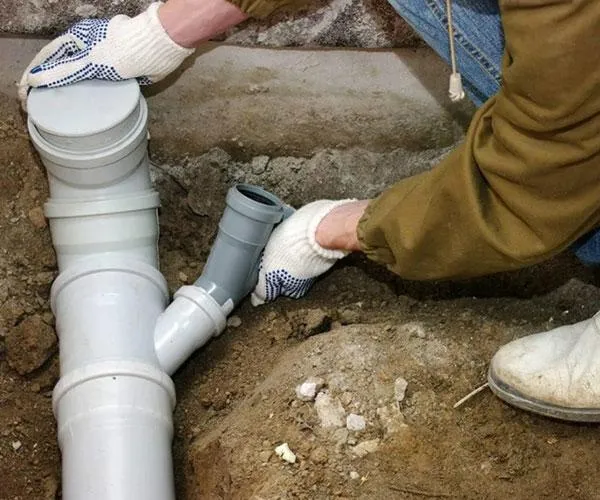
Pipe Lining (CIPP): A resin-soaked liner cures inside the old pipe, creating a new, smooth pipe. Fast, minimal digging.
Pipe Bursting: A new pipe is pulled through as the old one is fractured outward. Good when the old pipe is too damaged to line.
Spot Repairs: For small, isolated failures. Often cost-effective if the rest of the line is healthy.
A good pro will explain not just what they recommend, but why—in everyday language.
Local Codes and Permits for Sewer Work in Waller County: What Homeowners Need to Know
Permits and inspections exist to protect you and your neighbors. In many cases, sewer repairs—especially those that connect to public mains—require permits and a final inspection. A reputable company will:
Pull the right permit.
Schedule inspections at the right stage.
Build to code and document the work.
Skipping permits can lead to failed sales later, denied insurance claims, and expensive “do-overs.” Don’t risk it.
Timeline: From First Call to Finished Repair—What to Expect, Step by Step
Phone Triage (Same Day): Share your symptoms. We discuss urgency, access, and schedule a visit.
On-Site Assessment: Camera inspection, locate the issue, check soil and access.
Options + Estimate: Side-by-side choices with costs, timeline, and pros/cons.
Permitting (If Required): We handle paperwork and schedule inspections.
The Fix: Trenchless or trench, based on the plan. We keep you updated as we go.
Testing & Cleanup: Verify flow, clean the site, review the video results.
Closeout & Warranty: You get documents, maintenance tips, and a clear contact for future needs.
Financing, Payment Options, and “Holiday Rush” Fees: How to Avoid Surprise Charges
Ask early about financing and payment options. December is expensive—good companies understand.
Get the full scope in writing, including restoration and any “rush” surcharges.
Compare apples to apples. If one estimate includes jetting + lining + permits and another doesn’t, you don’t have a fair comparison.
Plan for restoration. You may choose to phase out non-essential yard work until spring.
How A&J Septic Services LLC Personalizes Sewer Repair for Hockley Homes
Every home is unique. We’re obsessed with matching the fix to your line, your soil, and your calendar—especially in December. That means:
Clear visuals. We show you the camera footage and point out the exact failure.
Plain-English options. We explain the “why,” not just the “what.”
Right-size solutions. Spot repair when it makes sense; full rehab when that’s the smarter long-term move.
Holiday-aware scheduling. We stabilize fast, then complete the permanent fix as soon as possible.
Clean finish. We respect your home, your yard, and your time.
We’re based in Frisco, TX and routinely serve Waller, Montgomery, Grimes, Harris, Fort Bend, and Austin Counties—so we understand Texas clay, live oaks, and how holiday schedules can crunch a project.
Service Area Coverage: Waller, Montgomery, Grimes, Harris, Fort Bend, and Austin Counties
Why this matters: local knowledge speeds everything up. We know which neighborhoods have older cast iron, where clay movement is strongest, and how to route equipment without tearing up your whole yard. That’s how we keep repairs tight, tidy, and timely.
When to Repair vs. Replace: Making the Smart Long-Term Choice for Texas Clay Soil
Repair if the issue is isolated and the rest of the line looks healthy.
Rehabilitate (Trenchless Lining) if you’ve got widespread cracking, root intrusion, or rough interiors that snag debris.
Replace when the pipe is collapsed, severely offset, or the layout needs to change.
Think beyond today. If a line is failing in multiple places, a full lining can save years of piecemeal patching, emergency calls, and torn-up landscaping.
Preventive Maintenance After the Fix: Keeping Your Sewer Healthy Year-Round
Watch what goes down. No wipes (even the “flushable” kind), no grease, no “shop towels.”
Use strainers in showers and sinks to catch hair and food scraps.
Schedule periodic cleaning if your line is root-prone.
Keep a copy of your video and repair docs. If anything changes, you’ll have a baseline.
Know your cleanouts. Mark them so a tech can access them fast.
Small habits add up. Most backups we see in December started as slow build-ups months earlier.
Common Holiday Season Scams and Upsells to Avoid
The “today-only” discount trap. Good pricing doesn’t evaporate in an hour.
Mystery repairs without video. If you can’t see the problem, you can’t trust the fix.
Over-scoping big jobs. Lining a whole street when you only need 20 feet is not a “deal.”
Vague warranties. If it’s not written, it’s not real.
Protect yourself by asking for proof, options, and a written scope. Pressure fades when facts show up.
Get Help Fast: How to Schedule Sewer Repair Near Hockley, Texas
If your drains are acting up and the calendar is tight, here’s the fastest path:
Call with symptoms and your deadline. Tell us about guests, events, or travel.
Book a camera inspection. We’ll aim to stabilize flow quickly if you’re backing up.
Review side-by-side options. We’ll explain timing, cost, and yard impact.
Choose the plan that fits. We’ll move fast and keep you updated.
You don’t have to panic. With clear information and the right method, you can get through the holiday rush without turning your home upside down.
We believe homeowners make their best decisions when the facts are simple, the video is clear, and the plan fits the season. If you’re seeing warning signs—or you just want peace of mind before the holidays—reach out. We’ll meet you where you are, show you what we see, and tailor the fix to your home.
Serving: Waller, Montgomery, Grimes, Harris, Fort Bend, and Austin Counties
Base: Frisco, Texas
When you’re ready, we’re here to help—so you can focus on family, not your floor drain.
