
Serving Texas Counties: Waller, Montgomery Grimes, Harris, Fort Bend, Austin
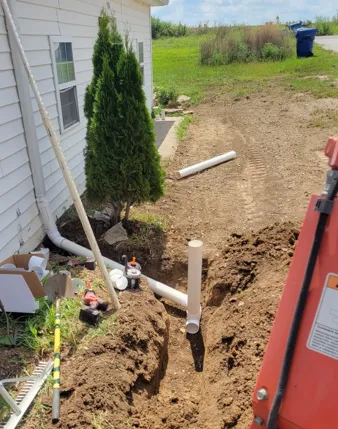
Emergency Sewer Repairs near Waller County, TX | Causes of Sudden Failures
If you are dealing with a sewer emergency, chances are it did not give you much warning. One minute everything feels normal. The next, toilets will not flush, drains are backing up, or sewage is showing up where it never should. It is stressful, confusing, and usually happens at the worst possible time.
Most homeowners we talk to in Waller County feel the same way in that moment. You worry about damage to your home. You worry about health risks. You worry about how bad the problem really is and what it is going to take to fix it. You also worry about whether someone is going to rush in and sell you something you do not actually need.
At A&J Septic Services LLC, we understand those fears because emergency sewer problems rarely start as emergencies. They usually build quietly underground until something finally gives. Our job is not just to repair the damage but to help homeowners understand what caused it in the first place and how to prevent it from happening again.
We are based in Frisco, TX, and serve Waller County along with Montgomery, Grimes, Harris, Fort Bend, and Austin Counties. Every property is different, which is why we focus on customized solutions rather than one size fits all repairs.
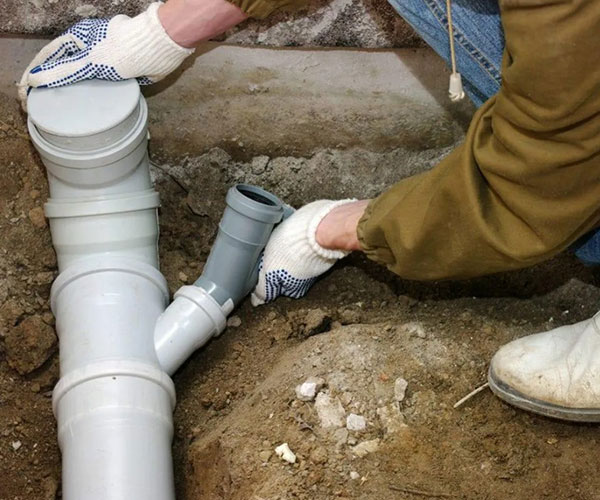
Why Sewer Emergencies Happen When You Least Expect Them
Sewer systems are out of sight, which makes them easy to forget about until something fails. Pipes can be buried several feet underground, running through soil that shifts, expands, and contracts over time. Problems can develop slowly with no obvious signs inside the house.
Many sewer emergencies are the result of long-term stress on the system. A pipe may be weakening, partially blocked, or slowly separating at a joint. Everything still works just enough that the issue stays hidden. Then one day, after heavy rain, a large water load, or even normal daily use, the system reaches its breaking point.
That is why sewer emergencies often feel sudden even though the cause has been there for years.
What Counts as an Emergency Sewer Repair in Waller County
Not every sewer issue is an emergency, but some situations need immediate attention to prevent serious damage.
Emergency sewer repairs usually involve:
Sewage backing up into toilets, tubs, or floor drains
Multiple drains failing at the same time
Strong sewage odors inside or outside the home
Wet or soggy areas in the yard with no clear cause
Standing sewage or contaminated water near the foundation
In Waller County, these situations can escalate quickly due to soil conditions, weather patterns, and older infrastructure in many neighborhoods. When wastewater has nowhere to go, it will find the lowest point, and that often means your home.
Aging Sewer Lines in Texas Homes and Why They Fail Suddenly
Many homes in Waller County are connected to sewer lines that were installed decades ago. Older pipes were often made from materials that do not hold up as well over time, especially in Texas soil.
Clay pipes can crack and separate. Cast iron pipes can corrode from the inside. Even early plastic piping can become brittle after years underground. These materials may work fine until one section finally collapses or shifts.
Age alone does not always cause failure, but older lines are far more vulnerable to sudden breakdowns, especially when combined with other stress factors like roots, ground movement, or heavy water use.
Tree Roots and Soil Shifts Common in Waller County
Tree roots are one of the most common causes of emergency sewer repairs we see. Roots naturally seek out moisture, and sewer lines provide a steady source. Even tiny cracks or loose joints can invite roots inside.
Once roots enter a sewer line, they grow fast. Over time, they create blockages, catch debris, and weaken the pipe walls. Eventually, the line can become fully blocked or break apart completely.
Waller County soil also shifts with moisture changes. During dry periods, soil can contract. During wet periods, it expands. This movement puts pressure on buried pipes, especially older ones, increasing the risk of sudden failure.
Heavy Rain, Flooding, and Ground Saturation Issues
Heavy rainfall is a major trigger for sewer emergencies in this area. When the ground becomes saturated, it can place extra stress on sewer lines. Waterlogged soil is heavier and can shift unexpectedly.
In some cases, stormwater overwhelms municipal sewer systems or private lines that were never designed to handle that volume. Cracks that were manageable before can suddenly allow soil or debris into the pipe.
After heavy rain, we often see emergency calls for collapsed lines, severe backups, or sewage surfacing in yards.
Grease Buildup and Improper Drain Use Inside the Home
Not all sewer emergencies start outside. Many begin inside the home with slow, unnoticed buildup.
Grease, food waste, wipes, paper towels, and hygiene products are common culprits. Even items labeled as flushable can cause serious problems. Over time, these materials stick to pipe walls and narrow the passage for wastewater.
Eventually, one heavy use event like multiple showers or laundry cycles can push the system past its limit, causing an immediate backup.
Collapsed or Broken Sewer Pipes Underground
A collapsed sewer line is one of the most serious emergency situations. This can happen when a pipe wall weakens to the point that it caves in. Collapses often occur at joints or areas already damaged by corrosion or roots.
Once a collapse happens, wastewater cannot move through the system properly. This usually leads to rapid backups inside the home and pooling sewage outside.
These failures rarely fix themselves and require professional diagnosis and repair to restore proper flow.
Septic to Sewer Transitions and Hidden Line Problems
Some properties in Waller County have transitioned from septic systems to sewer connections over the years. These transitions can create hidden weak points if older piping was reused or improperly connected.
In emergencies, we often find issues at connection points where materials change or where records of past work are unclear. These areas are especially vulnerable to sudden failure because they were not always designed for long-term use under current conditions.
Warning Signs Before a Sewer Emergency Gets Worse
Many sewer emergencies offer small warning signs that are easy to miss.
Common early indicators include:
Gurgling sounds in drains
Slow draining fixtures throughout the home
Intermittent sewage smells
Frequent clogs that return quickly
Wet patches in the yard near the sewer line
When these signs are ignored, the problem often escalates into a full emergency.
What to Do Immediately During a Sewer Emergency
When a sewer emergency happens, your first priority is to limit damage.
Stop using water immediately. Avoid flushing toilets, running sinks, or using appliances connected to the drain system. If sewage is backing up, keep people and pets away from affected areas.
If possible, ventilate the space and avoid direct contact with contaminated water. Then contact a professional who can assess the situation safely and accurately.
How Emergency Sewer Repairs Are Diagnosed Properly
Proper diagnosis is critical during an emergency. Guessing leads to wasted time and unnecessary digging.
We rely on inspection methods that allow us to see what is happening inside the line. This helps identify whether the issue is a blockage, break, collapse, or root intrusion. Knowing the cause allows us to recommend the right repair without overcorrecting or missing hidden damage.
Repair Options for Emergency Sewer Failures in Waller County
Emergency sewer repairs vary depending on the cause and severity of the failure.
Some situations can be resolved with targeted repairs. Others require partial line replacement. In severe cases, full replacement may be necessary to restore long-term function.
The goal is always to address the immediate emergency while considering the future health of the system.
Why Quick Fixes Often Make Sewer Problems Worse
Temporary fixes may relieve symptoms but fail to solve the root issue. Clearing a blockage without addressing a broken pipe often leads to repeat emergencies.
In some cases, rushed repairs cause additional damage or push debris further into the system. This is why emergency sewer work should focus on accuracy, not speed alone.
How Emergency Sewer Repairs Are Customized for Each Property
No two properties are the same. Soil conditions, pipe materials, layout, and usage all affect repair decisions.
At A&J Septic Services LLC, we customize each emergency repair based on the specific conditions of the property. This approach helps avoid unnecessary disruption and reduces the risk of repeat failures.
How to Reduce the Risk of Future Sewer Emergencies
While not all emergencies are preventable, many risks can be reduced.
Regular inspections, proper drain use, and addressing small issues early go a long way. Understanding the age and condition of your sewer line helps you plan before a crisis hits
.
When to Call for Emergency Sewer Repairs Near Waller County, Texas
If wastewater is backing up, sewage is visible, or multiple drains fail at once, it is time to call for emergency sewer repairs. Waiting often leads to more damage and higher repair needs.
If you are unsure whether your situation qualifies as an emergency, it is better to ask than to risk further harm to your home.
Emergency sewer failures are overwhelming, but understanding what causes them helps you make better decisions when it matters most. Our role is to guide homeowners through those moments with clear answers, honest assessments, and solutions tailored to their property.
