
Serving Texas Counties: Waller, Montgomery Grimes, Harris, Fort Bend, Austin
The Real Cost of Septic Installation Near Conroe, TX
You’re a homeowner near Conroe. The house is set. The land is yours. But the septic system still needs to be planned, priced, and installed. Maybe you’ve heard different numbers from neighbors. Maybe a contractor gave you a “ballpark” that didn’t feel firm. You worry about hidden costs, delays, and bad weather throwing a wrench into your plans.
We hear you. At A&J Septic Services LLC in Frisco, we build systems across Montgomery County and nearby areas every week. We know the soil, the rules, the timelines, and the surprises. This guide explains what drives the real price in late fall, what to budget, and how to keep control of your project. Our goal is simple: clear answers, so you can make smart choices without stress.
The Real Cost of Septic Installation Near Conroe This Late Fall
A basic conventional septic system for a suitable lot might start in the lower five figures, while aerobic systems with pumps and controls typically cost more. The final price depends on site conditions, system type, and the work needed to reach your house and drainfield. Late fall can be a good window because crews often have steadier schedules and the summer rush is over. But rain and early cold snaps can slow soil work, so planning and timing matter.
How Septic Systems Work for Montgomery County Homes
All systems aim to do the same job: collect wastewater from your sinks, showers, toilets, and laundry; separate solids; and treat water safely in the soil or through aerobic treatment.
Tank holds and settles waste.
Drainfield or dispersal area filters water through soil or chambers.
Ventilation and oxygen help the treatment process.
Pumps and controls may be needed if the site slopes or codes require aerobic treatment.
When the design matches your soil and water table, your system runs quietly in the background. When it doesn’t, you get backups, odors, and costly fixes. Design is everything.
What Drives Price: Soil, Slope, Lot Access, and Water Table
Think of your property like a recipe. Change one ingredient and the whole outcome shifts.
Soil type: Sandy loam drains well. Tight clay needs more engineered solutions.
Slope: Steep grades require careful trenching, safety measures, and sometimes pumps.
Access: If equipment can’t get close, expect more time and material for hauling, trenching, or handwork.
Water table and drainage: Areas near creeks, Lake Conroe, or low spots can need special designs or raised systems.
The more we must do to move water safely, the higher the cost. A proper soil analysis up front saves money later.
Conventional vs. Aerobic Septic Systems in Texas: Costs and Fit
Conventional systems use gravity, a tank, and a drainfield. They fit lots with suitable soil and setbacks. They’re simple and often least expensive to build and maintain.
Aerobic treatment units (ATUs) add oxygen to speed up treatment. They include a treatment tank, pumps, and control panels. They’re great for challenging soils, small lots, or strict rules, but they cost more and need routine maintenance.
We recommend the simplest system that meets code and protects your property. Overbuilding wastes money. Underbuilding leads to failures.
Itemized Budget: Design, Permits, Tank, Drainfield, Labor, Materials
A clear bid should break costs into parts you can understand:
Site evaluation and system design
Permits and plan review
Excavation and trenching
Septic tank and lids
Drainfield components (rock and pipe, chamber units, drip, or mound)
Pumps, control panel, wiring (if needed)
Backfill, grading, erosion control
Haul-off and disposal
Start-up, homeowner orientation, first service
Ask for line items. Vague quotes create surprise bills later.
Late-Fall Timing in Conroe: Weather, Soil Moisture, and Crew Availability
Late fall can help your budget and schedule in three ways:
Crew availability improves after summer.
Cooler temperatures make longer workdays easier for digging and backfilling.
Materials are often easier to source than during peak storm seasons.
But watch rain events. Wet soil slows inspection scheduling and compaction, and it can force rescheduling. A good contractor will build weather cushions into your timeline.
Hidden Costs Homeowners Miss: Electrical, Landscaping, Repairs, Haul-Off
These often get left out of “cheap” bids:
Electrical: Aerobic systems need dedicated power and a weatherproof control panel.
Landscaping repairs: Seeding, straw, or sod to stabilize disturbed areas.
Driveway or fencing: Temporary removal and re-installation for access.
Haul-off: Extra cost if unsuitable soil or debris must be removed.
Rock or select fill: Needed when native soil won’t compact or drain well.
Ask each bidder what is included and what is not. Put it in writing.
Permits and Inspections in Montgomery County: Fees and Timelines
Your system must meet state and local rules. The process usually includes:
Site evaluation and design submission
Permit application and fee
Inspections at key steps (tank, lines, final)
As-built documentation for your records
Late fall permits move at normal pace, but holiday weeks can limit inspection windows. Plan around Thanksgiving and early December to avoid idle crews.
Site Preparation: Clearing, Driveway Access, Erosion Control, and Safety
Clear work zones save time and money. That may include:
Tree and brush clearing around the tank and drainfield footprint.
Temporary access path for equipment and material delivery.
Erosion control like silt fence or straw wattles to protect ditches and neighbors.
Utility locates to avoid damaging lines during digging.
If we can get in and out safely, your price stays tight and your yard heals faster.
Septic Tank Materials Compared: Concrete vs. Poly vs. Fiberglass
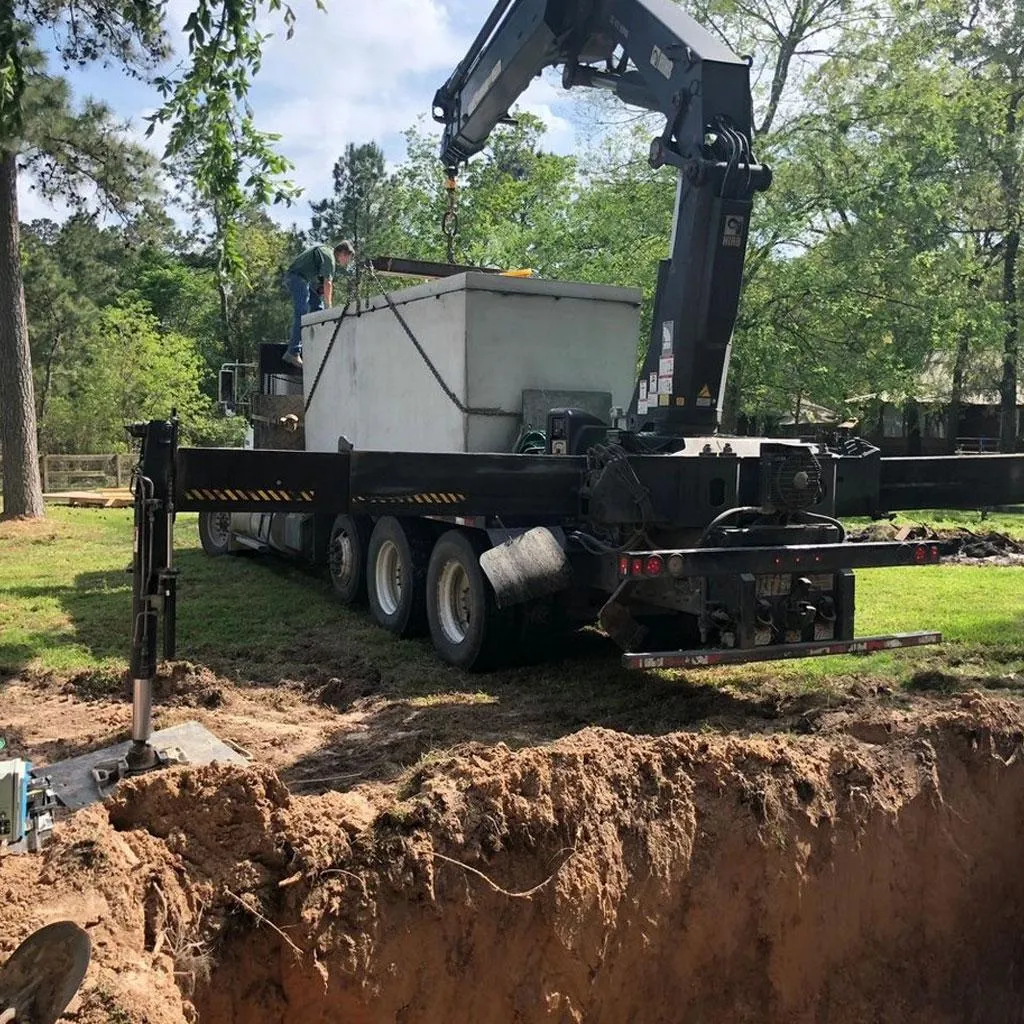
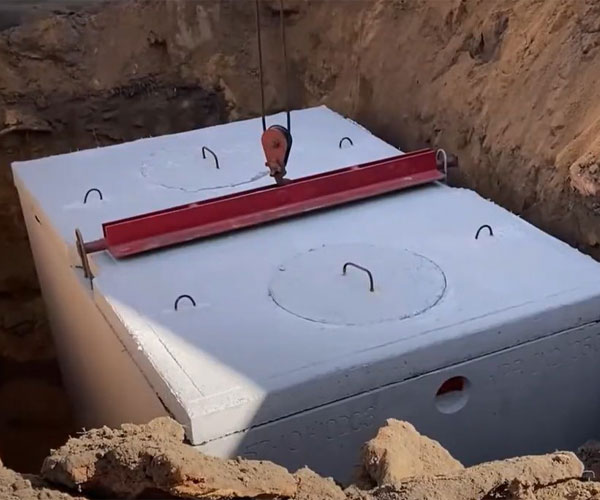
Concrete tanks: Durable, heavy, stable in high water tables, but need proper lifting access.
Poly tanks: Light and easier to set on tight sites, but must be anchored in some soils.
Fiberglass tanks: Strong and light, good for certain installs, but require careful backfill.
We choose the tank type that fits your soil, groundwater, and access. The goal is long-term reliability, not just a low number on day one.
Drainfield Options and Costs: Trenches, Chambers, Drip, and Mound Systems
Gravel-and-pipe trenches: Proven, economical where soil allows.
Chamber systems: Faster to install, great where gravel is costly or scarce.
Drip dispersal: Precise dosing in limited areas or tough soils.
Mound systems: Raised profiles for shallow soils or high water tables.
The right choice depends on percolation rates, setbacks, and space. Your design should show why the option fits your property, not just list a brand.
Aeration, Pumps, and Controls: What Adds to Your Final Price
If your site needs pumps to lift effluent or an aerobic unit to meet treatment levels, expect added costs for:
Tanks with internal components
Alarmed control panels
Dedicated circuits and conduit
Service access and risers at grade
These parts are not “nice to have.” They are essential for performance and code compliance. Plan for them early so they don’t feel like add-ons.
Startup, Pumping, and First-Year Maintenance: What to Budget Now
Budget beyond install day:
Start-up service and homeowner walk-through
Filter cleaning or inspection at set intervals
Pumping timeframe based on household size and usage
Aerobic service plan if required by local rules
A small maintenance budget protects a large system investment. A well-cared-for system lasts longer and avoids emergency calls.
How to Read a Septic Bid: Line Items, Allowances, and Red Flags
A strong bid is clear and specific:
Line items for design, permits, tank, drainfield, pumps, and electrical
Allowances for rock, extra trenching, or unsuitable soil
Exclusions listed in plain language
Timeline that accounts for inspections and weather
Red flags: one-page quotes with a single number, “we’ll figure it out later,” or pressure to skip permits. If it sounds too easy, it may become expensive once digging starts.
Project Timeline Near Conroe: From Quote to Final Inspection
A straightforward late-fall project might look like this:
Site visit and soil evaluation: a few days to schedule.
Design and permitting: one to two weeks, depending on review time.
Excavation and tank set: usually one to two days in good conditions.
Drainfield install and backfill: one to three days based on system type.
Electrical hook-up and controls: often the same week as set.
Final inspection and sign-off: scheduled with the county.
Yard stabilization: seeding and straw as needed.
Weather, holidays, and material lead times can add days. A realistic plan beats an optimistic guess.
Ways to Save Without Risk: Smart Choices That Don’t Cut Corners
Get the soil right first. A good design avoids change orders.
Keep access open. Clear paths reduce machine time and damage.
Choose the simplest compliant system. Don’t pay for features you won’t use.
Bundle work. If driveway trenching is needed, align it with other utilities.
Stabilize early. Seed and straw sooner to prevent washouts that force rework.
Cutting corners on tanks, pipe, or permits never pays off. Saving comes from planning and fit.
Why A&J Septic Services LLC: Frisco-Based Expertise for Conroe Installs
We design and build systems to match your land, your family, and local codes. We explain options in plain language. We put numbers on paper before we dig. And we treat your yard like it’s ours. This is not about selling you the most expensive setup. It’s about the right setup that runs for years with routine care.
Service Area Coverage: Waller, Montgomery, Grimes, Harris, Fort Bend, Austin Counties
We serve Montgomery County and neighboring counties, including Waller, Grimes, Harris, Fort Bend, and Austin. If you’re north near the lake, west on acreage, or closer to Houston’s edge, we’ve likely installed systems near you. That local pattern helps us bid accurately and schedule efficiently.
Next Steps: Schedule a Site Check and Get a Clear, Written Estimate
If you’re planning a septic install near Conroe this late fall, here’s a simple plan:
Book a site visit. We’ll evaluate soil, slope, access, and setbacks.
Get a design and written estimate. We’ll explain each line, what’s included, and what could change.
Pick a start window. We’ll plan around weather and inspection timing.
Build it right the first time. We’ll handle permits, install, start-up, and homeowner orientation.
You want a system that works without drama. We want the same. When design, budget, and schedule line up, septic becomes one less thing to worry about.
Late fall can be a smart time to install, as long as you plan for weather and inspections. The real cost comes from your land, your system type, and the work it takes to build safely. With a clear design, a detailed bid, and a steady crew, you can set a firm budget now and head into winter with confidence.
If you’re ready, A&J Septic Services LLC will walk your site, answer questions, and provide a straight, written estimate. No fluff. Just the system that fits your property and your plans.
