Serving Texas Counties: Waller, Montgomery Grimes, Harris, Fort Bend, Austin
Septic Inspections Near Montgomery County, TX: Costs, Requirements & What to Expect
Why Preparing for a Septic Inspection Near Montgomery County, TX Feels Overwhelming
If you’ve got a septic inspection coming up, there’s a good chance you’re feeling a bit uneasy about it.
Maybe you’re buying or selling a home. Maybe a lender or county requirement is pushing you to get it done. Or maybe something just doesn’t feel right with your system and you want answers.
Whatever brought you here, the feeling is usually the same.
You’re wondering:
What if something is wrong?
How much could this cost me?
Is there anything I should be doing right now to avoid problems?
And the hardest part? Most homeowners don’t deal with septic systems every day. So when it comes time for an inspection, it can feel like stepping into the unknown.
At A&J Septic Services LLC, based in Frisco and serving Montgomery County and surrounding areas, we talk to homeowners in this exact situation all the time. You’re not just trying to “pass
What a Septic Inspection Actually Includes (And Why It Matters)
Before you can prepare for a septic inspection, it helps to understand what’s actually being checked.
A proper septic inspection is more than a quick look at the tank. It’s a full evaluation of how your system is working.
This usually includes:
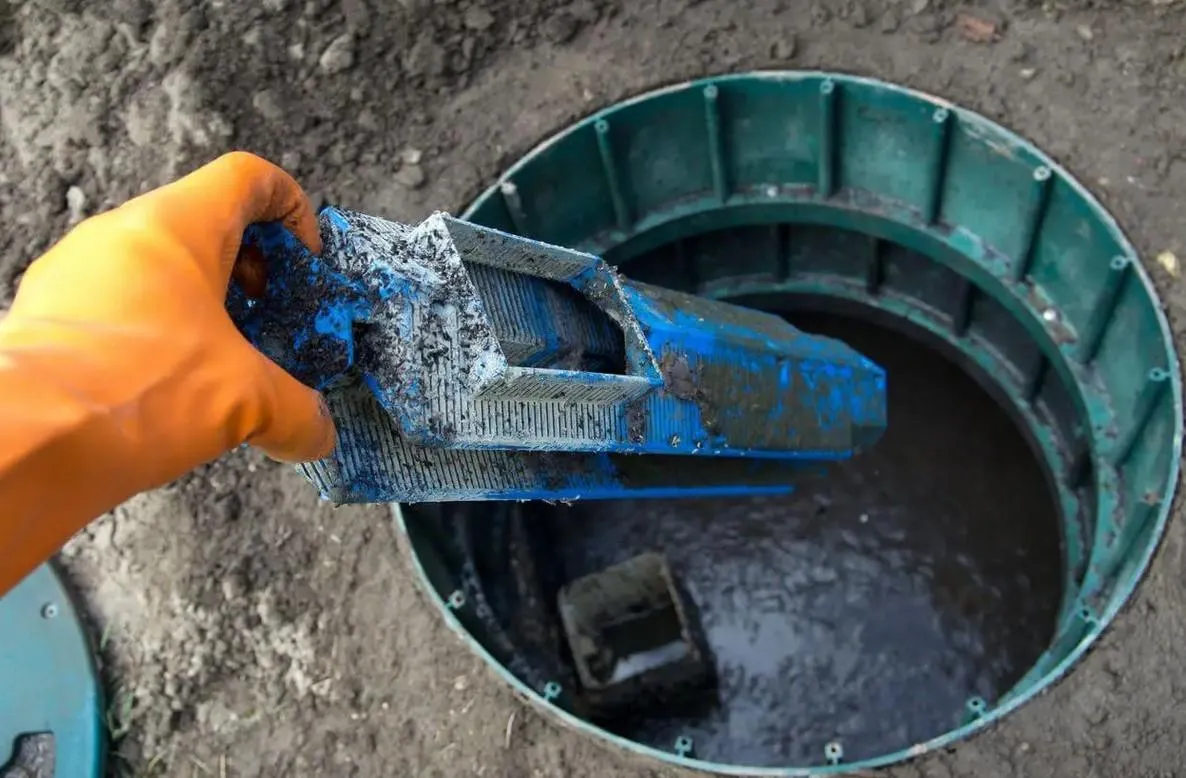
Checking the septic tank for sludge and scum levels
Inspecting the inlet and outlet lines
Evaluating the drain field for proper drainage
Looking for leaks, cracks, or signs of failure
Testing how water flows through the system
In simple terms, the inspector is trying to answer one big question:
Is your system working the way it should, or is it heading toward a problem?
Common Fears Homeowners Have Before a Septic Inspection
You’re not alone if you’re nervous.
Most homeowners we meet are worried about the same things:
Finding out the system needs expensive repairs
Delaying a home sale because of inspection issues
Being told the entire system needs replacement
Not understanding the results of the inspection
These are valid concerns. Septic systems are buried, out of sight, and easy to forget about until something goes wrong.
But here’s the good news: preparing the right way can reduce a lot of that uncertainty.
Why Septic Systems in Montgomery County Require Special Attention
Septic systems in this region aren’t one-size-fits-all.
Montgomery County and surrounding areas deal with soil conditions that can affect how wastewater drains. Some soils hold water longer than expected, while others drain too quickly.
On top of that, heavy rains and seasonal changes can impact how your system performs.
That’s why inspections for Septic Near Montgomery County Texas need to be handled carefully. Local knowledge plays a big role in understanding what’s normal and what’s not.
When You Should Schedule a Septic Inspection near Montgomery County, TX
Timing matters more than most people realize.
You should consider scheduling an inspection:
Before buying or selling a home
If your system hasn’t been checked in several years
When you notice slow drains or odors
After heavy rainfall or unusual system behavior
Waiting until something feels “really wrong” often means the issue has already developed.
Best Ways to Prepare for a Septic Inspection Near Montgomery County, TX
Now let’s get into what you can actually do.
Preparing for a septic inspection doesn’t have to be complicated, but a few simple steps can make a big difference.
Here are the most important ones:
Know where your septic system is located
If you’re not sure, try to find any records or ask previous owners. This helps the inspector get started quickly.Clear access to the tank and drain field
Move vehicles, equipment, or anything blocking access. Inspectors need space to work.Avoid excessive water use before the inspection
Too much water can temporarily overload the system and affect results.Have maintenance records ready if you have them
Past pumping or repairs can give helpful context.Take note of any recent issues
Slow drains, odors, or wet spots in your yard are all important to mention.
These small steps can help ensure the inspection goes smoothly and accurately reflects your system’s condition.
What Inspectors Look for During a Septic Inspection
When the inspection begins, the focus is on how your system performs as a whole.
Inspectors typically check:
Tank condition and levels
Flow from the home into the tank
Flow from the tank into the drain field
Signs of backup or blockage
Drain field absorption
They’re not just looking for obvious problems. They’re looking for early warning signs.
Simple Things You Should Do Before the Inspector Arrives
Preparation doesn’t need to take hours.
A few simple actions the day before or morning of can help:
Make sure pets are secured away from the work area
Unlock any gates that provide access
Avoid running laundry or long showers
Be available to answer questions if possible
These steps help the inspection move faster and reduce interruptions.
Mistakes to Avoid Before Your Septic Inspection
Some homeowners unintentionally make things harder on themselves.
Try to avoid:
Pumping the tank right before the inspection without guidance
Using additives or chemicals to “fix” the system temporarily
Ignoring obvious signs of issues
Blocking access to key areas
The goal of an inspection is accuracy. Trying to hide problems usually leads to bigger issues later.
How to Locate Your Septic System (Even If You’ve Never Seen It Before)
If you’ve never seen your septic tank, you’re not alone.
Many homeowners have no idea where it is.
You can try:
Checking property records or permits
Looking for slightly raised or greener areas in the yard
Following the main sewer line from your home
If you’re still unsure, a professional can help locate it quickly.
Should You Pump Your Septic Tank Before an Inspection?
This is one of the most common questions.
In most cases, you should not pump your tank right before an inspection unless advised.
Why?
Because inspectors need to see how the system is functioning under normal conditions. Pumping it beforehand can hide important signs.
If pumping is needed, it’s usually done during or after the inspection as part of the evaluation.
How Water Usage Impacts Your Septic Inspection Results
Water plays a big role in how your system performs.
Right before an inspection, try to keep water use normal or slightly reduced.
Avoid:
Running multiple loads of laundry
Long showers back-to-back
Heavy water use all at once
This helps give a clearer picture of how your system handles typical use.
What Happens If Your Septic System Fails Inspection?
Hearing that your system didn’t pass can feel stressful, but it doesn’t always mean the worst.
In many cases, the issue might be:
A blockage or buildup that needs cleaning
A component that needs repair
A drainage issue that can be corrected
Only in more serious cases does it lead to full replacement.
The key is understanding the problem and your options.
How A&J Septic Services Approaches Septic Inspections and Preparation
At A&J Septic Services, we focus on helping homeowners understand their system, not just inspect it.
Every property is different. That’s why we take time to evaluate each system based on its environment, usage, and condition.
We believe preparation is just as important as the inspection itself. When homeowners know what to expect, the process becomes much less stressful.
Serving areas like Montgomery County and beyond, we’ve seen how proper preparation can make a big difference in both results and peace of mind.
How to Feel Confident Going Into Your Septic Inspection
Confidence comes from knowing what’s happening and what you can control.
When you:
Understand the process
Take a few simple steps to prepare
Work with someone who explains things clearly
The inspection becomes much less intimidating.
Instead of worrying about what might go wrong, you can focus on getting clear answers.
Final Thoughts: Preparing the Right Way for a Septic Inspection Near Montgomery County, TX
Preparing for a septic inspection doesn’t have to feel overwhelming.
With the right information and a little preparation, you can approach it with confidence instead of stress.
If you’re dealing with a system Septic Near Montgomery County Texas, taking the time to prepare now can help you avoid surprises later.
And in the end, that’s what most homeowners want, clarity, confidence, and a system that works the way it should.
