
Serving Texas Counties: Waller, Montgomery Grimes, Harris, Fort Bend, Austin
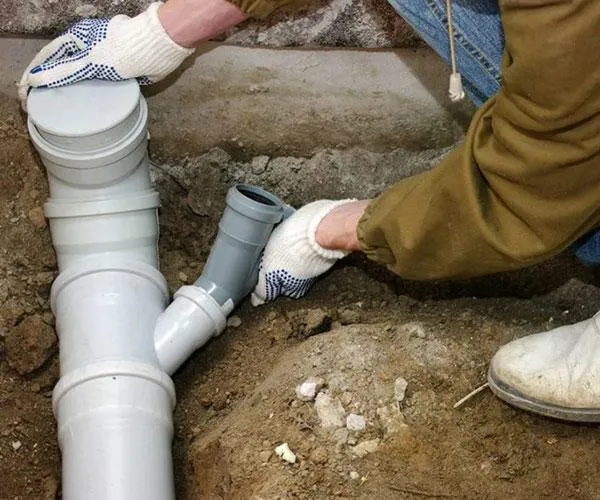
Best Sewer Pipe Repair Near Montgomery County Texas
Why a Broken Sewer Pipe Becomes a Serious Problem
Most homeowners don’t think about their sewer line until something stops working.
It usually starts small. A slow drain. A faint odor. Maybe a patch of grass that looks different from the rest. At first, it’s easy to ignore or assume it’s a minor issue.
Then it gets worse.
Drains back up. Water collects in places it shouldn’t. The smell becomes harder to overlook. At that point, the concern shifts from inconvenience to potential damage.
The difficulty is not just the problem itself. It is the uncertainty.
What is causing it?
How extensive is the damage?
And what is the correct way to fix it?
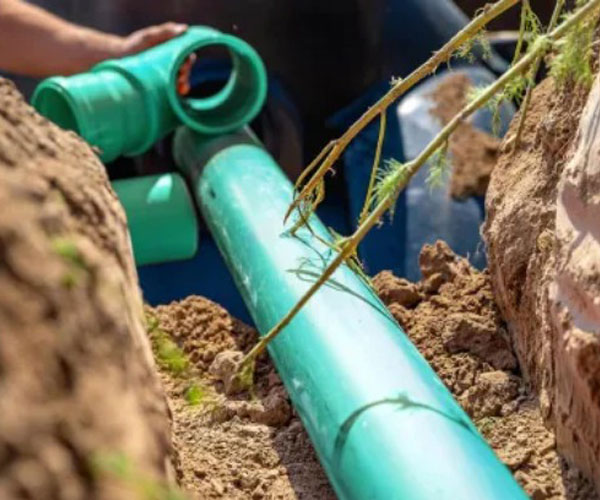
What Causes Sewer Pipes to Break in Montgomery County, Texas
Sewer lines are affected by both age and environmental conditions. In Southeast Texas, several factors contribute to pipe failure:
Soil Movement
Clay-heavy soils expand when wet and contract during dry periods. This repeated movement places stress on buried pipes, which can lead to cracks or misalignment over time.
Tree Root Intrusion
Tree roots naturally grow toward moisture. Even small openings in a sewer line can allow roots to enter. Once inside, they expand and restrict flow or break the pipe.
Material Deterioration
Older pipes made of clay or cast iron degrade over time. Corrosion, thinning walls, and structural weakness increase the likelihood of failure.
Improper Installation or Past Repairs
Incorrect slope, poor connections, or substandard repair work can create long-term weak points in the system.
Most failures are not sudden. They develop gradually until symptoms become noticeable.
The Early Warning Signs of Sewer Line Failure
Recognizing early signs can reduce the extent of repair work needed. Common indicators include:
Slow drainage across multiple fixtures
Gurgling sounds from toilets or drains
Persistent sewage odors
Wet or sunken areas in the yard
Isolated patches of unusually green grass
Recurring backups or clogs
If several of these symptoms appear at the same time, the issue is more likely related to the main sewer line rather than a localized blockage.
Why Timing Affects the Outcome
Delaying action typically increases both the complexity and scale of the repair.
A minor crack can widen.
Root intrusion can spread.
Partial blockages can turn into full collapses.
Addressing the issue early increases the likelihood that a targeted repair will be sufficient. Waiting often leads to more extensive work, including full pipe replacement.
Sewer Pipe Repair Near Montgomery County Texas: Available Solutions
There are several methods used for Sewer Pipe Repair Near Montgomery County Texas. The appropriate option depends on the condition of the pipe and the extent of damage.
Spot Repair
Used when damage is limited to a specific section. The affected portion is excavated and replaced.
Full Line Replacement
Recommended when the pipe has widespread deterioration, multiple breaks, or structural failure.
Trenchless Repair Methods
Includes techniques such as pipe lining or pipe bursting. These methods minimize surface disruption but require certain conditions to be effective.
Each option has specific applications. A proper inspection is required before determining which approach is appropriate.
Traditional Excavation vs Trenchless Repair
Both methods are commonly used, but they serve different situations.
Traditional Excavation
Direct access to the pipe
Suitable for collapsed or severely misaligned lines
Requires digging along the pipe path
Trenchless Repair
Limited surface disruption
Can preserve landscaping and structures
Not suitable for all pipe conditions
The decision is based on accessibility, pipe condition, and long-term reliability rather than convenience alone.
Repair vs Replacement: Making the Right Call
Choosing between repair and replacement depends on the overall condition of the sewer line.
Repair is typically sufficient when:
Damage is isolated
The remaining pipe is structurally sound
There is no ongoing pattern of failure
Replacement is often necessary when:
The pipe is aging and deteriorating throughout
Multiple sections are compromised
Recurring issues have been reported
Short-term fixes can be effective in the right scenario, but they are not always the most durable solution.
The Most Effective Way to Fix a Broken Sewer Pipe
The most effective approach is based on three steps:
Accurate Inspection
Identifying the exact cause and location of the problem using camera equipment.Targeted Solution Selection
Choosing the method that addresses the root issue rather than only the visible symptoms.Minimizing Unnecessary Disruption
Using the least invasive method that still provides a long-term solution.
There is no universal method that applies to every situation. The effectiveness of the repair depends on matching the method to the condition of the pipe.
Environmental Factors in Southeast Texas
Local conditions play a significant role in sewer line performance.
Expansive soils increase stress on pipes
Heavy rainfall can shift ground conditions
Tree root systems are highly active
These factors make localized knowledge important when evaluating Sewer Pipe Repair Near Montgomery County Texas.
What Happens During a Sewer Line Inspection
A professional inspection typically involves a camera inserted into the sewer line.
This process allows identification of:
Cracks or fractures
Root intrusion
Blockages
Pipe misalignment
Collapsed sections
The inspection provides visual confirmation, which is necessary for determining the correct repair method.
Common Mistakes in Handling Sewer Line Problems
Several patterns tend to lead to more extensive damage:
Delaying Evaluation
Waiting often allows the problem to expand.
Assuming All Issues Are Minor
Surface symptoms do not always reflect the severity of the underlying problem.
Selecting Solutions Based Only on Cost
Lower-cost options may not address the root issue.
Skipping Proper Diagnosis
Without inspection, repairs are based on assumptions rather than evidence.
How to Evaluate a Sewer Repair Contractor
When selecting a contractor, the following factors are relevant:
Clear explanation of findings
Willingness to present multiple options
Experience with local soil conditions
Use of proper diagnostic tools
The goal is to ensure the recommended solution aligns with the actual condition of the sewer line.
Preventing Future Sewer Line Issues
While not all problems can be prevented, certain practices reduce risk:
Avoid flushing non-degradable materials
Limit grease and debris entering the system
Be cautious with tree placement near sewer lines
Schedule periodic inspections for older systems
Preventative steps help extend the lifespan of the system and reduce the likelihood of major repairs.
What to Do Next
If signs of sewer line failure are present, the next step is to confirm the condition of the pipe through inspection.
Understanding the exact issue allows for a more accurate and effective repair decision.
Addressing the problem early generally leads to more options and less disruption compared to waiting for the issue to worsen.
