Serving Texas Counties: Waller, Montgomery Grimes, Harris, Fort Bend, Austin
See Menu 👉 _
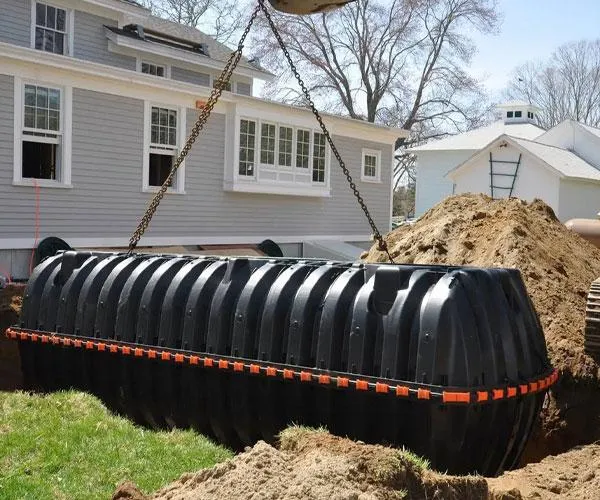
Hidden Costs of Skipping Septic Maintenance near Waller County, TX
Why Skipping Septic Maintenance Near Waller County, Texas Gets Expensive Fast
If you’re reading this, there’s a good chance you’ve wondered, “Do I really need to service my septic system this year?” Maybe life got busy. Maybe the tank “seems fine.” Maybe you’re hoping to save a little money right now.
We get it. At A&J Septic Services LLC in Frisco, we hear this every week from homeowners across Waller, Montgomery, Grimes, Harris, Fort Bend, and Austin Counties. Here’s the truth: skipping routine maintenance doesn’t save money. It delays a small bill and sets up a bigger one. A neglected system doesn’t complain loudly at first—it gives quiet hints. Then it fails fast. And when it fails, you pay in more than dollars. You pay in time, stress, mess, and sometimes even county headaches.
This guide breaks down what really happens when you skip maintenance—and how to protect your home, land, and budget with a plan that fits how your family actually uses water.
Who This Guide Is For: Rural and Suburban Homeowners in Waller, Montgomery, Grimes, Harris, Fort Bend, and Austin Counties
You might live on a few acres outside Hockley or Prairie View, or in a quiet neighborhood outside Magnolia or Navasota. Maybe you’re on a well, or maybe you’re on city water but have a septic tank because of your lot. Your yard is your pride. You like things simple and dependable.
If you’ve got a septic system anywhere near Waller County or the surrounding counties we serve, this guide is for you. We wrote it for busy homeowners who want the straight story—what matters, what doesn’t, and what steps actually prevent breakdowns.
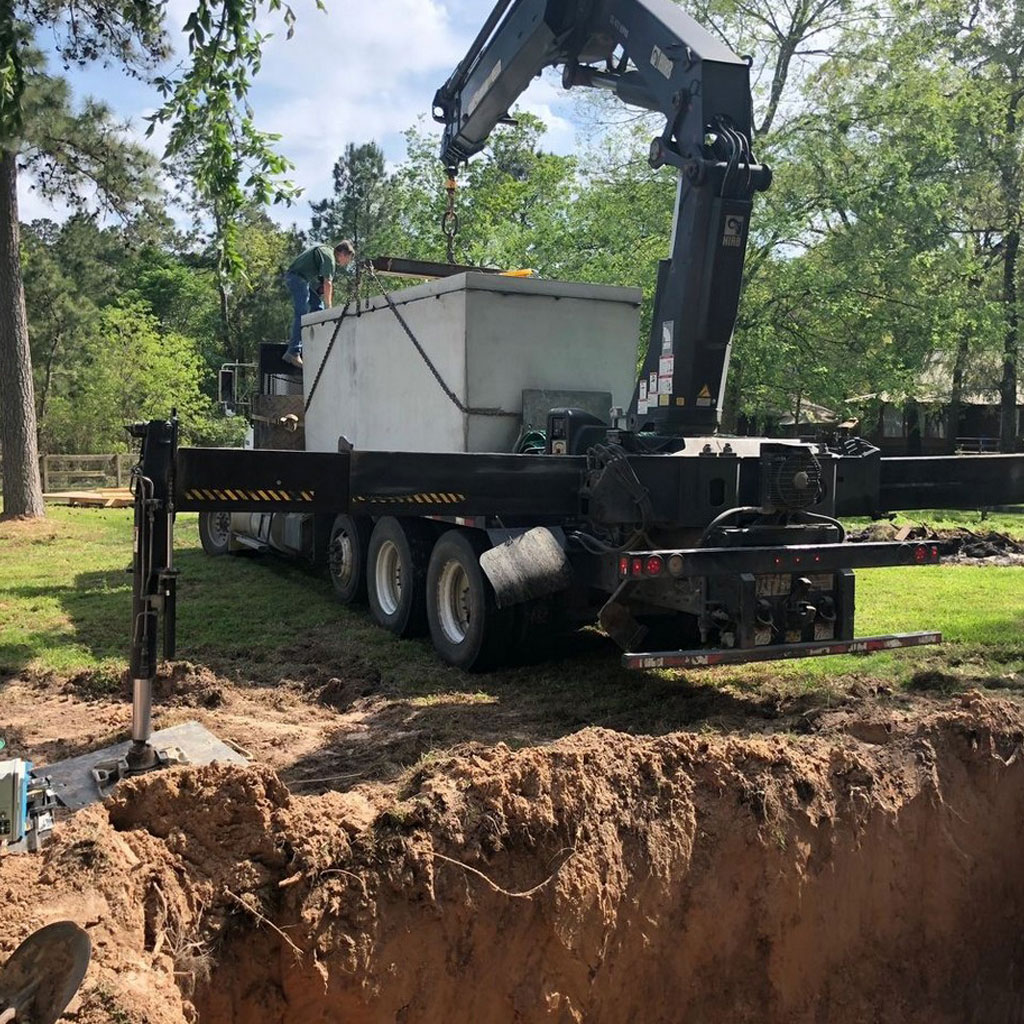
Septic Maintenance: How Your System Works
Think of your septic system like a slow, steady stomach for your home. Wastewater leaves your sinks, showers, and toilets and flows into a tank where solids settle, oils float, and bacteria break things down. Cleaner water then moves to the drainfield and filters through soil.
Two key truths:
Solids don’t vanish. They build up. If the tank isn’t pumped on time, those solids push into the drainfield.
Drainfields don’t like solids or grease. Once clogged or smothered, a drainfield can fail—a fix that often costs a lot more than a pump-out.
Routine service keeps the bacteria happy, the tank balanced, and the drainfield breathing.
Routine Septic Maintenance vs. Major Repairs: The Real Cost Difference in Our Region
Routine maintenance is predictable: inspections, pumping on schedule, checking baffles, looking for leaks, confirming lids are tight, and (for aerobic systems) testing and adjusting the air system and chlorination.
Major repairs are not predictable: digging, replacing crushed lines, rebuilding a drainfield, remediating soil that got overloaded with solids, or fixing a tank that cracked because water tables shifted after heavy rains.
A simple way to think about it:
Routine maintenance = planned, quick, and affordable.
Major repairs = unplanned, slow, stressful, and costly.
In our Texas counties, heavy rain events, clay-heavy soils, and hot summers can turn minor neglect into major damage. Maintenance is the cheap insurance against that.
The Hidden Costs Homeowners Don’t See Coming (Until It’s Too Late)
Skipping a routine visit looks like a “zero” on your budget—until the system calls your bluff. The hidden costs often include:
Landscaping damage from emergency digging.
Lost time waiting on urgent service when schedules are full.
Cleaning bills for flooring, rugs, or drywall after backups.
Stress at the worst possible moment (guests in town, holiday meals, kids’ birthday parties).
Property value concerns if you’re planning to sell.
County paperwork and inspections if the fix becomes complex.
None of these show up on a maintenance invoice. They show up when you hoped to save a few dollars and skipped a year (or three).
Emergency Callouts, Hotel Stays, and Cleanup: The Price of a Late-Night Backup
Backups rarely happen at 10 a.m. on a Tuesday. They happen at 9 p.m. on a Saturday when you’ve got in-laws staying over. If sewage backs up into tubs or showers, you may need:
Emergency service fees
Hotel rooms while cleanup happens
Professional sanitation for affected areas
Time off work to handle access and decisions
Most families don’t budget for “sewage hotel nights.” Routine maintenance is how you avoid that line item altogether.
Drainfield Damage: The Most Expensive Result of Skipped Septic Maintenance
The drainfield is the quiet hero of the system. It needs space, oxygen, and time to do its job. Send it solids and grease and it clogs. When that happens, water has nowhere to go. You see soggy spots. You smell sewage. The grass changes color. Toilets gurgle. Sinks drain slowly. Eventually, the system stops.
A failed drainfield often means a big project—new lines, new field layout, sometimes soil remediation, and always county paperwork. If there’s one message we hope you take away, it’s this: don’t let solids reach your drainfield. That’s what maintenance prevents.
Permits, County Rules, and Fines Near Waller County, Texas: What Ignoring Maintenance Can Trigger
Every county we serve has rules to keep groundwater safe and neighborhoods healthy. When a septic system fails and affects neighbors or ditches, the situation can draw attention—fast. You may need inspections, permits, and official sign-offs to repair or replace components. That adds both time and cost.
Proactive maintenance helps you stay off that radar. It keeps your system within the lines and your property problem-free.
Health and Environmental Risks: When a Septic Problem Becomes a Bigger Problem
A failing system can move beyond “annoying” to “unsafe.” Backups and surface discharge may carry bacteria and viruses. If you’re on a well, or your neighbors are, you don’t want that risk near your groundwater. Pets, kids, gardens—everything you love about being on your own land—stays safer when the system is well-maintained.
Texas Weather + Local Soils: How Heat, Heavy Rains, and Clay Impact Septic Maintenance
Our region gets heat, heavy rains, and periods of saturated soil—sometimes in the same month. Here’s what that means:
Heat slows bacterial balance when tanks are stressed by heavy usage (think summer guests).
Heavy rains can raise water tables and saturate drainfields. A healthy system can handle this better than a neglected one.
Clay-rich soils common in parts of Waller, Montgomery, and Fort Bend drain more slowly. When you overload them with solids, they don’t bounce back.
Maintenance isn’t “nice to have” in Texas—it’s how you adapt the system to the climate and soil reality under your grass.
Additives vs. Real Septic Maintenance: What Works and What Wastes Money
Additives promise a shortcut. We’ve tested a lot of them. Here’s our simple take:
No bottle replaces pumping. Solids still build up.
Additives can upset the natural bacteria your tank already has.
The best “additive” is right-sized maintenance plus smart home habits (see section 15).
If a product claims to “melt” years of sludge, that sludge still has to go somewhere. Don’t send it to your drainfield.
DIY Checks vs. Professional Service Near Waller County: Where to Draw the Line
We love handy homeowners. Here’s what you can do well:
Keep records of pumping dates and any repairs.
Watch for wet spots, smells, gurgling, or slow drains.
Keep vehicles and heavy items off the drainfield.
Be mindful about what goes down drains (see habits below).
Here’s what we recommend leaving to a pro:
Measuring sludge and scum levels (needs proper tools).
Inspecting baffles, tees, and lids safely.
Evaluating aerobic system components.
Diagnosing drainfield health and tank leaks.
DIY is great for vigilance. Professional service is essential for accuracy and safety.
Clear Warning Signs You’re Overdue for Septic Maintenance (Smells, Soggy Spots, and Gurgling)
Don’t ignore these local “red flags”:
Gurgling when toilets flush or sinks drain
Slow drains throughout the house (not just one sink)
Soggy grass or unusually green stripes over the drainfield
Sewage smells outside or in bathrooms
Backups in tubs or showers after laundry days or big meals
One sign is enough to schedule a check. Two signs mean “do it now.”
How Often to Pump and Service in Southeast Texas: Usage-Based Schedules That Actually Work
Pump timing isn’t a one-size-fits-all number. It depends on:
Tank size (common sizes run from 750–1,500+ gallons)
Household size (more people = more water and solids)
Appliances and habits (garbage disposals, long showers, frequent laundry)
System type (conventional vs. aerobic)
As a starting point, many homes do well with pumping every 2–4 years, with annual checkups to make sure you’re on track. Aerobic systems usually need more frequent inspections to keep the treatment process balanced. If you’ve just bought a home and don’t know the history, start fresh with an inspection and set your schedule from there.
Budgeting for Septic Maintenance: Simple Annual Plan to Avoid Big Bills
Here’s a stress-free way to plan:
Set a small yearly budget for inspection and routine service.
Schedule before high-usage seasons (holidays, summer guests, storm season).
Adopt smart habits that cost $0:
No wipes. Not even “flushable.”
Toss grease in the trash, not the sink.
Spread out laundry instead of blitzing five loads on Saturday.
Fix running toilets and leaky faucets—constant trickles overwork the system.
Keep roots and heavy vehicles away from the drainfield.
Track service dates in your phone. If you can’t remember the last pump, it’s probably time.
A little planning turns your system from a mystery box into a reliable part of your home.
How A&J Septic Services LLC Customizes Septic Maintenance for Waller County Homeowners
We’re based in Frisco and serve Waller, Montgomery, Grimes, Harris, Fort Bend, and Austin Counties. Our goal isn’t to sell a “package.” Our goal is to fit your system and your life. That means:
Usage-first scheduling. We ask how your family uses water and build a plan around that—not around a generic timeline.
Soil and drainage awareness. Clay-heavy lots, shaded yards, and low spots get different guidance than sandy sites with big drainfields.
Seasonal timing. We help you prepare before heavy rain seasons and holiday traffic.
Clear reports. You’ll know what we saw, what we did, and what’s next in plain English.
Respect for your property. We plan access, protect landscaping, and clean up after ourselves.
We’re obsessed with getting it right because the best septic system is one you don’t have to think about. Our work stays in the background so you can enjoy your home.
Next Steps: Book a Right-Sized Septic Maintenance Near Waller County, Texas
If you’ve been putting off maintenance, today is a good day to get back on track. Here’s a simple plan:
Start with an inspection. We’ll check tank levels, baffles, lids, and the drain field's condition.
Set your pumping interval. Based on your tank size, household, and usage, we’ll recommend a schedule that protects your drainfield.
Choose your reminders. We can nudge you before holidays or before storm season—whatever fits your routine.
Adopt three smart habits (grease to trash, no wipes, spread the laundry). Those alone prevent a lot of pain.
Relax. With a clear plan, your septic system becomes predictable and easy to live with.
From Your Side of the Fence: A Quick, Honest Word
If you’ve felt worried, embarrassed, or overwhelmed about septic issues, you’re not alone. Most homeowners weren’t taught how these systems work. It’s not your job to be a septic expert. It’s ours. We don’t show up to judge. We show up to protect your home, land, and wallet with simple steps that actually work.
Skipping maintenance looks cheap—until it isn’t. The real savings live in routine care, a right-sized schedule, and a few smart habits. That’s the whole secret.
When you’re ready, A&J Septic Services LLC is here to build a plan that fits your family and your property in Waller County or the surrounding counties we serve. We’ll keep the system quiet, clean, and out of your way—just as it should be.

Excavation Marketing Pros
Excavation Marketing Pros is dedicated to the success of excavation and septic companies.