Serving Texas Counties: Waller, Montgomery Grimes, Harris, Fort Bend, Austin
Best Questions to Ask During a Septic Inspection near Grimes County, Texas
You are probably not thinking about your septic system until you have to.
Maybe you are buying a home in Grimes County. Maybe you are selling. Maybe your drains have started moving slower than usual, and now you are wondering what is going on underground. Either way, the word “inspection” makes your stomach tighten a little.
You are thinking:
What if something is wrong?
What if this costs thousands?
What if the deal falls apart?
What if we have to dig up the yard?
We understand that feeling.
At A&J Septic Services LLC, based in Frisco, TX, we serve homeowners across Waller, Montgomery, Grimes, Harris, Fort Bend, and Austin Counties. We have walked beside hundreds of families during septic inspections. Some are nervous buyers. Some are frustrated sellers. Some are homeowners who just want peace of mind.
A septic inspection should not feel like a mystery. It should feel like clarity.
The key is asking the right questions.
Below are the best questions to ask during a septic inspection in Grimes County, Texas so you stay informed, confident, and in control.
Why Septic Inspections Matter for Homeowners in Grimes County, Texas
Septic systems are not like city sewer lines. There is no public utility monitoring them. If something fails, it falls on the homeowner.
In rural and semi rural parts of Grimes County, septic systems are common. Soil conditions vary. Some areas drain well. Others hold water longer. Heavy rains can also impact systems differently depending on layout and elevation.
A septic inspection helps you:
Catch small problems before they become big repairs
Confirm proper maintenance
Protect a real estate transaction
Avoid health and environmental risks
Plan ahead for future costs
It is not just a checkbox. It is protection.
What Happens During a Septic Inspection in Grimes County, Texas?
Before you ask questions, you should know what the process looks like.
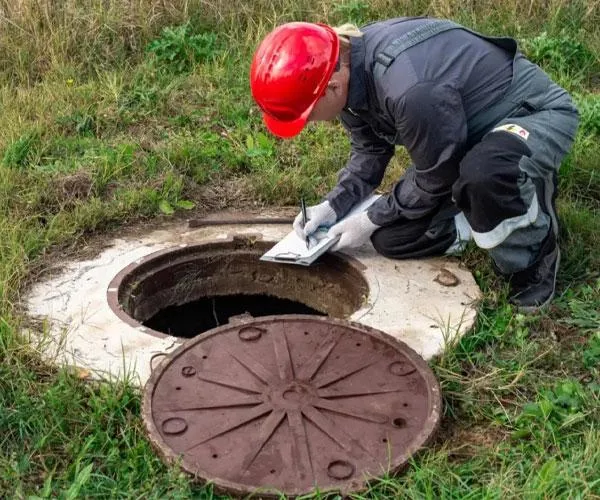
A proper septic inspection usually includes:
Locating the tank and drain field
Checking the tank for structural condition
Measuring sludge and scum levels
Inspecting baffles and inlet and outlet lines
Looking for signs of leaks or cracks
Evaluating the drain field for saturation
Checking alarms if the system is aerobic
In some cases, pumping may be required for a full inspection.
Knowing this process allows you to ask better, more specific questions.
Best Questions to Ask During a Septic Inspection in Grimes County, Texas
Here is where you take control. These questions help you understand what is happening and what it means for your property.
How Old Is the Septic System and What Is Its Expected Lifespan?
Age matters.
Most conventional septic systems last between 20 and 30 years. Some last longer with proper maintenance. Aerobic systems can last a long time as well, but they require consistent upkeep.
If the system is already 25 years old, that does not mean it is failing. It does mean you should start thinking ahead.
Ask:
When was it installed?
Has it had any major repairs?
What condition is it in compared to its age?
This gives you a timeline, not just a snapshot.
What Type of Septic System Is Installed on This Property in Grimes County?
Not all septic systems are the same.
You might have:
A conventional gravity system
An aerobic treatment unit
A low pressure dosing system
A system designed for clay heavy soil
Different systems have different maintenance needs and repair costs.
Understanding your specific system helps you budget properly and avoid surprises.
Has the Septic Tank Been Pumped and Maintained Properly?
This is one of the most important questions.
Septic tanks should typically be pumped every three to five years depending on household size and usage.
Ask:
When was the last pumping?
Are there maintenance records?
Does the sludge level suggest neglect?
A well maintained tank tells a story of responsible ownership. A neglected one tells a different story.
Are There Signs of Septic System Failure or Drain Field Problems?
Drain field issues are often the most expensive to fix.
Ask your inspector:
Is the drain field draining properly?
Are there wet spots or pooling water?
Is there a sewage smell in the yard?
Is the soil saturated?
In parts of Grimes County where soil drains slowly, drain field stress can show up after heavy rain. Knowing the condition today helps you plan for tomorrow.
Is the Septic System Sized Correctly for the Home?
A three bedroom home needs a different system size than a five bedroom home.
If additions were made over the years, the system may be undersized.
Ask:
Is this system properly sized for the square footage and number of bedrooms?
Has the home been expanded since installation?
An undersized system works harder and wears out faster.
Are There Any Code Violations or Permit Issues in Grimes County?
Septic systems must meet county regulations.
Ask:
Was this system installed with proper permits?
Are there any known compliance issues?
Does it meet current Grimes County standards?
Code violations can delay real estate closings and create unexpected costs.
How Does Soil Type in Grimes County Affect This Septic System?
Soil matters more than most homeowners realize.
Clay heavy soil drains slowly. Sandy soil drains quickly. Both have advantages and challenges.
Ask:
How is the soil performing with this system?
Is there any sign the soil is no longer absorbing properly?
This question connects the system to the land itself.
What Repairs or Upgrades Might Be Needed Soon?
Even if the system passes inspection, small repairs may be recommended.
Ask:
Are there minor cracks?
Are baffles secure?
Are risers installed for easier access?
Small upgrades today can prevent large repairs later.
How Much Would Potential Septic Repairs Cost in Grimes County, Texas?
This question may feel uncomfortable. Ask it anyway.
If something fails, you need ballpark numbers.
Ask:
What is the estimated cost range?
Is this urgent or can it wait?
What happens if we delay?
Clarity reduces fear. Numbers help you plan.
Can Heavy Rain or Flooding Impact This Septic System?
Texas weather is unpredictable. Grimes County has seen periods of heavy rain.
Ask:
Is this system positioned in a low area?
Has flooding affected it before?
Are there signs of water intrusion?
A system that works fine during dry weather may struggle in saturated conditions.
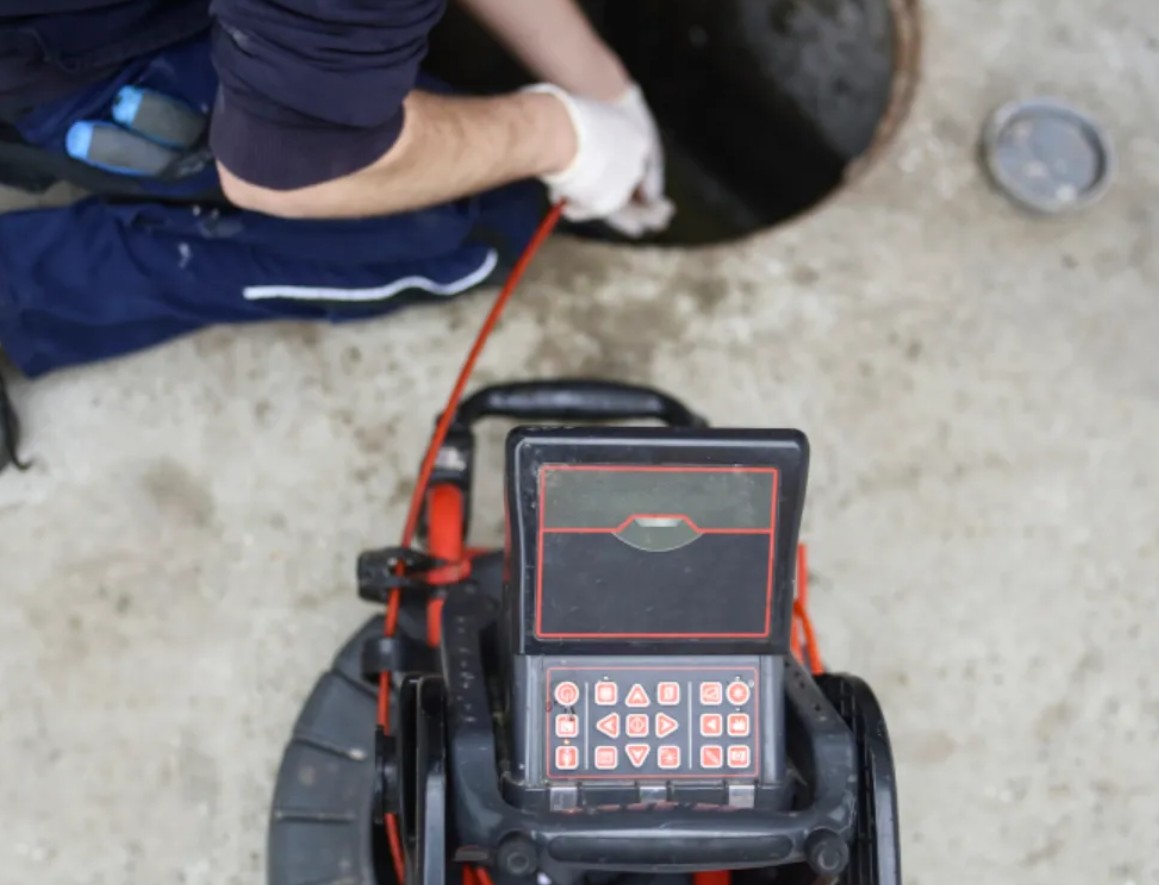
Should a Camera Inspection Be Included During a Septic Inspection?
In some cases, adding a camera inspection of lines can reveal hidden cracks, root intrusion, or blockages.
Ask:
Would a camera inspection add value here?
Is there any reason to suspect line damage?
This extra step can provide deeper insight, especially in older homes.
What Happens If the Septic System Fails Inspection in Grimes County?
This is the question most buyers quietly worry about.
If the system fails:
Repairs may be required before closing
The seller may negotiate costs
Replacement could be necessary
Failure does not automatically mean disaster. It means you now have information. And information allows you to negotiate or plan.
How to Prepare for a Septic Inspection in Grimes County, Texas
Preparation makes the process smoother.
Locate system records if possible
Clear access to tank lids
Avoid heavy water usage before inspection
Be present to ask questions
The more involved you are, the more confident you will feel.
Why Asking the Right Questions Protects Your Investment in Grimes County
A septic system is hidden. You cannot see it from the curb. But it protects your home, your health, and your property value.
When you ask the right questions during a septic inspection in Grimes County, Texas, you shift from anxious to informed.
At A&J Septic Services LLC, we believe inspections should never feel rushed or confusing. We take time to explain what we see and how it applies to your specific property. Every home is different. Every soil type is different. Every family’s needs are different.
Our job is not to scare you. It is to educate you.
When you understand your system, you make smarter decisions. Whether you live in Grimes County or the surrounding counties we serve, the goal is the same: protect your investment and avoid surprises.
The best septic inspection is not just about checking a tank. It is about giving you confidence.
And that confidence starts with asking the right questions.
