Serving Texas Counties: Waller, Montgomery Grimes, Harris, Fort Bend, Austin
DIY vs. Professional Septic Installation Near Hockley, Texas | Cost, Risks & Best Choice
Why Hockley Homeowners Are Asking About DIY Septic Installation
If you’re planning to build on land in Hockley, buying a rural home, or replacing an old system, the septic question hits fast. You start calling around, you hear numbers that make your stomach drop, and then the thought slips in: Could I just do this myself and save the money?
We talk to people every week who are standing in that exact spot. You want to be smart with your budget. You’re already paying for the house, the land, the well, the driveway, and now the septic system feels like one more major expense. You’re capable. You’ve handled big projects before. And deep down, you’re wondering if hiring a professional is a necessity or just the easier route.
At the same time, there’s a quiet concern in the background. What if something goes wrong? What if it doesn’t pass inspection? What if the system fails after everything is covered up?
That tension between saving money and protecting your property is real. Our goal is to help you understand both sides so you can make the right decision for your land, your timeline, and your long-term plans.
The Real Cost of Septic Installation in Hockley, Texas
The first thing most homeowners compare is price. On the surface, a DIY septic installation looks like a major cost saver. No labor. No contractor markup. Just materials and equipment.
But in Hockley and the surrounding counties, septic systems are not one-size-fits-all. The price is tied to soil conditions, system type, permitting, engineering, and inspection requirements. By the time you factor in equipment rental, fuel, design fees, material delivery, and the cost of fixing mistakes, the gap between DIY and professional installation often gets much smaller than expected.
And that doesn’t include the value of your time.
Understanding the Local Permits and Regulations
Septic systems in this area are heavily regulated for a reason. They protect groundwater, neighboring properties, and your own health.
Every system must be:
Designed for the specific property
Approved through the county
Installed to code
Inspected before use
Miss one step, and the system cannot be legally used. That means delays, added costs, and in some cases, redoing work that’s already been completed.
This is where many DIY projects hit their first major wall.
Soil Conditions in Hockley and Why They Matter
Hockley soil can vary from sandy to heavy clay, sometimes within the same property. That matters more than most people realize.
Your soil determines:
The type of system allowed
The size of the drain field
The depth of installation
The long-term performance of the system
A system that works perfectly on one lot can fail quickly on another just a few miles away. That’s why proper testing and design come first.
What’s Actually Involved in a DIY Septic Installation
Installing a septic system is not just digging a hole and setting a tank.
It involves:
Site evaluation
System design
Precise excavation
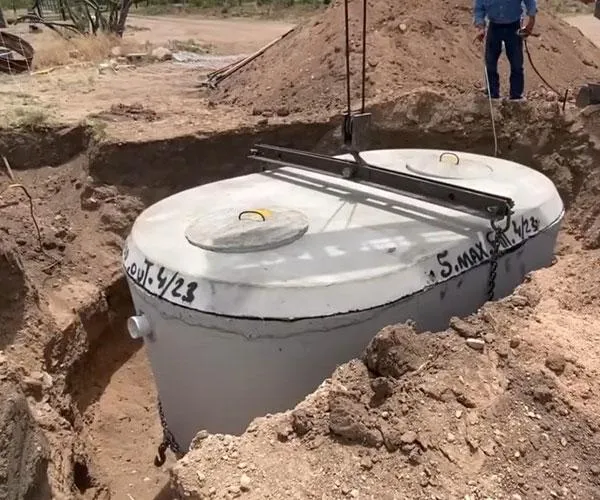
Proper tank placement and leveling
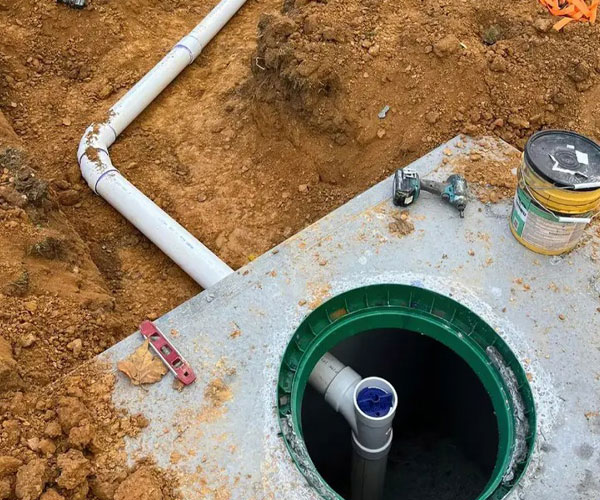
Correct pipe slope and connections
Drain field construction
Backfilling without damaging components
Every step affects whether the system works for the next 30 years or starts having problems in the first few.
Equipment, Excavation, and Engineering Requirements
Most homeowners don’t have access to the equipment needed for accurate excavation and grading. Renting machines is possible, but operating them with the precision required for septic installation is a different skill set.
One small grading mistake can cause:
Poor drainage
Standing water
Premature system failure
Engineering is another piece that often gets overlooked. The system must match the home size, water usage, and soil capacity.
The Hidden Risks of Installing Your Own Septic System
The biggest risk isn’t the installation day. It’s what happens after the system is covered.
If something is off, you may not know until:
Sewage backs up into the house
Wet spots appear in the yard
Odors develop
The system fails inspection
At that point, repairs are far more expensive than doing it correctly the first time.
Common DIY Septic Installation Mistakes
We’ve been called to properties where homeowners tried to take this on themselves. The most common issues include:
Incorrect pipe slope
Tanks that are not level
Drain fields installed in unsuitable soil
Systems placed too close to property lines or wells
None of these are small fixes.
Time, Stress, and Project Delays
Most DIY installations take far longer than expected. Permitting alone can slow a project down if the paperwork is not handled correctly.
Meanwhile, your build is waiting. Your move-in date gets pushed. Your budget gets stretched.
What You Get When You Hire a Professional Septic Installer
Professional installation is not just about labor. It’s about having the entire process handled in the right order.
That includes:
Soil testing coordination
System design
Permit management
Proper equipment and experienced operators
Inspection scheduling
Final approval
Instead of managing multiple moving parts, you have one clear path from start to finish.
How Custom Septic Design Protects Your Property Value
A properly designed system does more than handle wastewater. It protects resale value, prevents future repairs, and supports long-term land use.
Every property is different. That’s why we focus on building systems that match how the homeowner will actually live on the land.
Health, Safety, and Environmental Factors
Septic installation involves deep excavation, confined spaces, and heavy materials. Safety is not just a checklist. It’s a daily part of the work.
Beyond that, a properly installed system protects local water sources and keeps your property safe for your family.
Long-Term Performance: DIY vs. Professional Installation
A septic system is not a short-term project. It’s a long-term infrastructure investment.
A professionally installed system is built to:
Perform consistently
Pass inspections
Require fewer repairs
Last for decades
That long view is where the real value shows up.
Warranty, Inspections, and Final Approval
A system installed by a licensed professional comes with documentation, approvals, and often a warranty. That matters when you sell the property or refinance.
A DIY system without proper records can create major obstacles later.
When a DIY Septic Installation Might Make Sense
There are limited cases where a hands-on property owner with the right experience, equipment access, and time can take on part of the project. Even then, most still rely on professionals for design, permitting, and final connections.
Situations Where Hiring a Professional Is the Smarter Investment
If your timeline matters, if your home build is moving forward, or if you want the system done once and done right, professional installation removes the uncertainty.
How to Choose the Right Septic Installer Serving Hockley
Look for a provider who:
Knows local county requirements
Designs systems based on your land
Communicates clearly
Focuses on long-term performance, not just installation day
Questions to Ask Before Starting Your Septic Project
What system type fits my soil?
What permits are required?
How long will the process take?
What will this system need in 10–20 years?
The Step-by-Step Process of Professional Septic Installation
From the first site visit to the final inspection, each phase is planned so the system performs the way it should from day one.
Making the Right Decision for Your Land, Budget, and Timeline
Choosing between DIY and professional septic installation is not just about cost. It’s about risk, time, long-term performance, and peace of mind.
For many homeowners in Hockley, the real reward comes from knowing the system under their property was designed for their land, installed correctly, and built to last.
That’s the difference between a short-term savings decision and a long-term investment in your home.
