
Serving Texas Counties: Waller, Montgomery Grimes, Harris, Fort Bend, Austin
Septic Maintenance Near Montgomery County Texas | Budget Guide
You don’t think about your septic system every day.
Most homeowners don’t. It’s out of sight, it seems to be working, and there’s always something more urgent to spend money on. But then something small starts to change.
Maybe your drains are slower than usual. Maybe there’s a smell you can’t quite place. Or maybe nothing is wrong yet, and that’s the problem—you’re trying to stay ahead of it.
Now you’re asking a simple question that doesn’t seem to have a simple answer:
What should I actually be budgeting for septic maintenance?
If you live in or around Montgomery County, you’re not alone in this. Homeowners across the region deal with the same uncertainty. Costs can feel unclear. Service schedules aren’t always consistent. And no one wants to be caught off guard by a repair that costs thousands.
Why Septic Maintenance Costs Catch Homeowners Off Guard
Septic systems are easy to forget about, until they aren’t.
Unlike utilities you see every month, septic systems don’t come with a regular bill. That makes it harder to build a habit around budgeting for them.
A few common reasons homeowners get surprised by costs:
Maintenance is skipped because everything seems fine
There’s no clear schedule to follow
Costs vary depending on system size and condition
Problems often build slowly, then show up all at once
The result is usually the same. A system that could have been maintained for a few hundred dollars a year ends up needing a repair that costs much more.
What Homeowners in Montgomery County Texas Worry About When Budgeting for Septic Maintenance
Most homeowners aren’t just asking about price.
They’re thinking about:
“Am I overpaying for something I might not need?”
“What happens if I wait too long?”
“How do I avoid a major repair bill?”
“Is there a smarter way to plan for this?”
There’s also a trust factor. Without clear information, it’s hard to know what’s necessary and what isn’t.
That’s why budgeting for Septic Maintenance Near Montgomery County Texas isn’t just about numbers. It’s about understanding the system well enough to make confident decisions.
What Is Included in Septic Maintenance Near Montgomery County Texas
Septic maintenance isn’t one single service. It’s a combination of steps that keep your system working properly over time.
Most maintenance plans or routine service visits include:
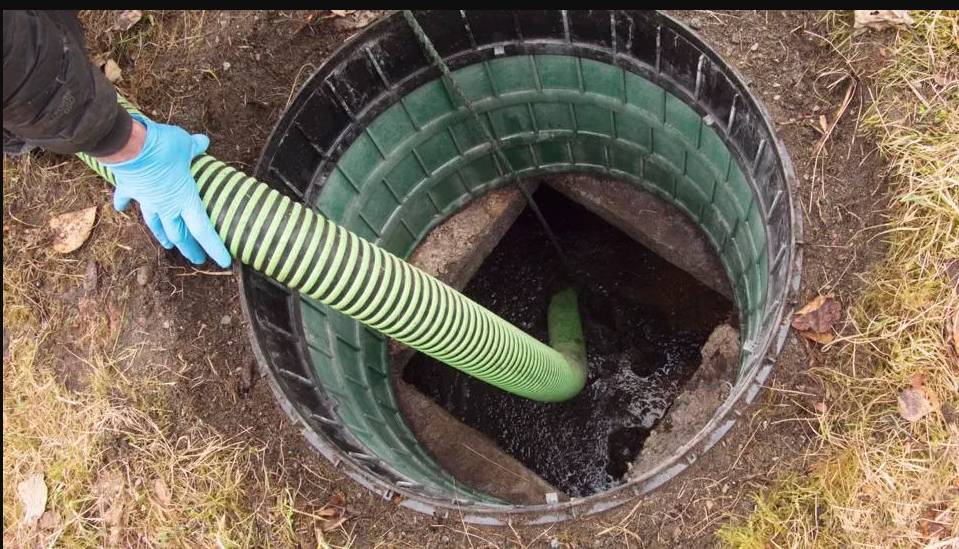
Tank pumping to remove built-up solids
System inspections to check for wear or damage
Component checks for pumps, filters, and alarms
Drain field evaluation to make sure wastewater is dispersing correctly
Some systems, especially aerobic systems common in parts of Texas, may require more frequent checks or additional components.
Understanding what’s included helps you compare options and avoid paying for services you don’t need or skipping ones you do.
How Much Does Septic Maintenance Near Montgomery County Texas Typically Cost?
Costs vary, but there are general ranges most homeowners can expect.
Routine pumping: typically every 3–5 years, depending on usage
Annual maintenance (for aerobic systems): often required and more frequent
Basic inspections: usually included in maintenance plans or scheduled separately
Instead of focusing on a single price, it’s more helpful to think in terms of annual budgeting.
For many homeowners, spreading maintenance costs over time makes them more manageable and predictable.
The Hidden Costs of Skipping Septic Maintenance
This is where budgeting really matters.
Skipping maintenance doesn’t save money. It usually delays the cost and increases it.
Some common issues that come from neglect:
Sludge buildup leading to system backups
Damage to pumps or components
Drain field failure, which can be expensive to repair or replace
Emergency service calls
A small issue left unchecked can turn into a much larger problem.
That’s why consistent maintenance is less about spending more and more about avoiding bigger expenses later.
Septic Maintenance Contracts vs One-Time Service: Which Is More Predictable?
Homeowners often choose between two approaches:
1. Pay-as-you-go service
You call when something needs attention.
2. Maintenance contracts
You follow a set schedule with regular service visits.
Each has its place.
Pay-as-you-go offers flexibility
Contracts offer consistency and predictability
From a budgeting standpoint, contracts often make it easier to plan because costs are spread out and services are scheduled in advance.
For homeowners who want fewer surprises, predictability usually matters more than flexibility.
What Factors Affect the Cost of Septic Maintenance in Montgomery County Texas
Not all systems cost the same to maintain.
A few key factors influence pricing:
System type (standard vs aerobic)
Household size and usage
Tank size
Age of the system
Soil and drainage conditions
For example, systems in areas with heavier soil or slower drainage may need closer monitoring.
Understanding these factors helps explain why two homes in the same area can have different maintenance costs.
How Often Should You Schedule Septic Maintenance to Avoid Big Expenses?
There isn’t a one-size-fits-all answer, but there are general guidelines.
Standard systems: inspection every 1–3 years, pumping every 3–5 years
Aerobic systems: more frequent checks, often required by local regulations
The goal is simple.
Catch small issues early.
Waiting until there’s a noticeable problem usually means the system has already been under stress for some time.
How to Budget for Septic Maintenance Near Montgomery County Texas the Smart Way
Budgeting doesn’t have to be complicated.
A few simple steps can make it manageable:
1. Plan for routine maintenance annually
Even if pumping isn’t needed every year, setting aside funds helps spread out the cost.
2. Know your system type
This determines how often service is needed.
3. Track past service history
Knowing when your system was last serviced helps you stay on schedule.
4. Consider predictable service options
Scheduled maintenance can reduce the chance of unexpected costs.
For homeowners thinking about Septic Maintenance Near Montgomery County Texas, the goal is to make costs predictable instead of reactive.
Signs Your Septic System May Cost You More Than Expected
Sometimes your system gives early warnings.
Ignoring them can lead to higher costs later.
Watch for:
Slow drains or frequent clogs
Unusual odors near the system
Wet spots or pooling water in the yard
Alarms or alerts (for aerobic systems)
These signs don’t always mean a major problem, but they do mean it’s time to take a closer look.
How to Avoid Surprise Septic Repairs and Emergency Costs
Most expensive septic issues don’t happen overnight.
They build over time.
To reduce risk:
Stick to a maintenance schedule
Address small issues early
Avoid overloading the system with excess water or waste
Use your system as intended
Consistency is what prevents surprises.
When to Schedule Septic Maintenance Near Montgomery County Texas for the Best Value
Timing can also affect cost and convenience.
Scheduling during less busy periods may offer:
More availability
Faster service
Less urgency-driven pricing
Waiting until there’s a problem often limits options and increases stress.
Planning ahead gives you more control.
Choosing the Right Septic Maintenance Provider in Montgomery County Texas
At the end of the day, budgeting isn’t just about numbers. It’s about working with someone who helps you understand your system.
A reliable provider should:
Explain what your system needs and why
Offer clear service recommendations
Help you plan for long-term care
At A&J Septic Services, based in Frisco, we work with homeowners across Montgomery County, Waller County, Grimes County, Harris County, Fort Bend County, and Austin County.
Every system is different, and the approach to maintenance should reflect that. The goal isn’t to oversell service. It’s to make sure the system works the way it should, without unexpected costs along the way.
Budgeting for septic maintenance doesn’t have to feel uncertain.
With the right information and a consistent plan, it becomes just another part of maintaining your homepredictable, manageable, and far less stressful.
